
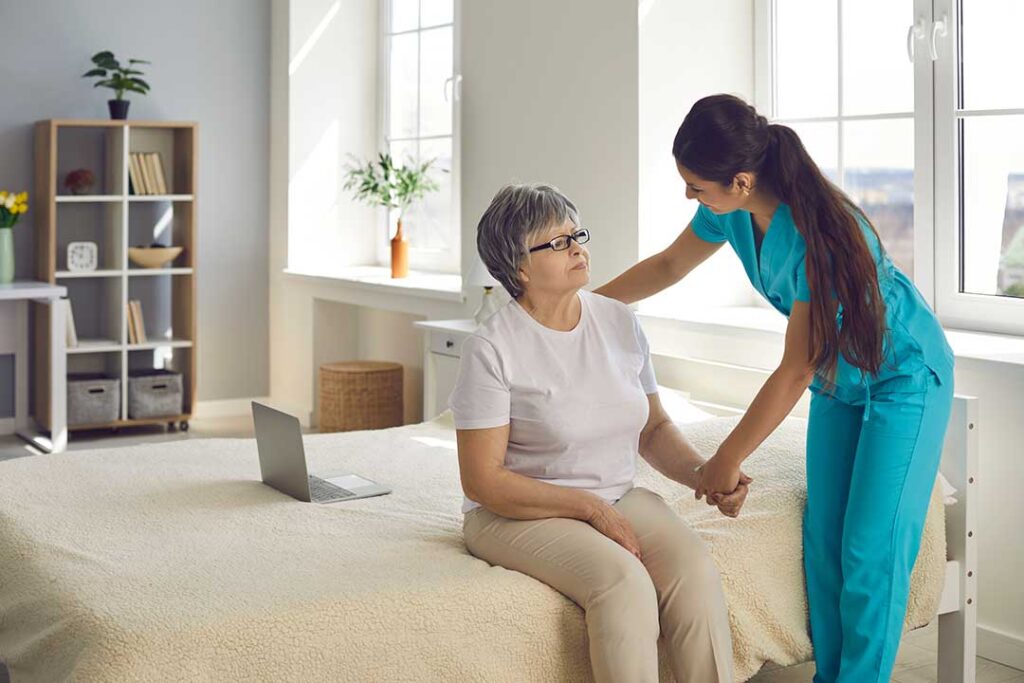
Moving into assisted living usually requires less clothing and furniture than families first expect. The most useful items are those that support comfort, daily routines, personal identity, and safe movement without overcrowding the new living space.
A thoughtful packing plan also makes the transition easier. Before purchasing or boxing anything, ask the residence what is already provided, what room dimensions are available, and which items are restricted for safety reasons.
What should be packed first?
Begin with the items needed during the first few days: medications, identification, documents, toiletries, comfortable clothing, mobility equipment, and a small number of familiar personal belongings. Keep these essentials in clearly labeled bags or containers rather than placing everything in sealed moving boxes.
A first-day bag may include:
- Prescription medications in their original containers
- A current medication list and medical information
- Identification, insurance cards, and emergency contacts
- Comfortable clothing for several days
- Toiletries and personal hygiene items
- Glasses, hearing aids, dentures, chargers, and cases
- A favorite blanket, pillow, book, or framed photograph
- A small amount of cash, if needed for personal use
- Snacks or drinks that fit the residence’s policies
This approach prevents important items from being buried while the room is being organized.
How much clothing is practical?
Most residents need enough clothing for about seven to ten days, adjusted for laundry schedules and personal preferences. Packing too much can make drawers difficult to use and increase the chance of misplaced belongings.
Useful clothing usually includes:
- Comfortable shirts, sweaters, and layering pieces
- Pants with elastic or easy-to-manage fasteners
- Sleepwear
- Undergarments and socks
- A light jacket or coat
- Non-slip shoes with secure backs
- Slippers with firm, non-skid soles
- A few dressier outfits for visits, appointments, worship, or special events
- Seasonal outdoor clothing, including gloves, a hat, and a rain-resistant layer
Palmyra experiences changing conditions through the year, so clothing should be adjusted seasonally. Winters can require warm layers and shoes suitable for cold, wet walkways, while summer clothing should be lightweight and breathable. Keeping a small amount of seasonal clothing in storage at home can make later exchanges easier.
Label clothing with the resident’s name. Sew-in labels, fabric markers, or another durable identification method can be useful, especially when laundry is handled by staff.
What personal-care items should be included?
Pack familiar products when they are allowed and practical. Familiar scents, textures, and routines can provide reassurance during a major transition.
Common personal-care items include:
- Toothbrush, toothpaste, denture supplies, and a denture container
- Comb, brush, razor, or electric shaver
- Shampoo, conditioner, lotion, and deodorant
- Makeup or grooming supplies, if desired
- Nail-care items, following residence safety rules
- Incontinence supplies, if specifically requested or needed
- Adaptive equipment such as a long-handled sponge or easy-grip brush
Ask about storage space before packing large bottles or multiple backups. Some residences provide basic toiletries, while others expect families to supply particular items.
Which medical and mobility items matter most?
Medical information is often more important than additional possessions. Bring an up-to-date list of all medications, including prescriptions, over-the-counter products, vitamins, supplements, dosage instructions, and known allergies.
The list should also include:
- Primary medical contacts
- Preferred pharmacy information
- Emergency contacts
- Health conditions
- Dietary restrictions
- Mobility needs
- Hearing, vision, or communication considerations
- Advance directive or health-care representative information, when applicable
Do not place loose medications into moving boxes. Medication handling varies by assisted living residence and may be governed by state requirements, so families should follow the residence’s instructions rather than assuming residents may manage every medication independently.
Mobility devices should be labeled and checked for proper fit before move-in. This may include a walker, cane, wheelchair, transfer aid, or specialized cushion. Avoid bringing duplicate equipment unless the residence confirms that it is needed and can be safely stored.
What makes a room feel familiar?
A few meaningful belongings often help more than a large collection of household items. Familiar objects can make a new room feel recognizable without creating clutter or fall hazards.
Consider bringing:
- Family photographs in lightweight frames
- A favorite chair, if the room can safely accommodate it
- A small clock with large numbers
- Familiar artwork or a quilt
- Books, puzzles, knitting supplies, or other hobbies
- A radio or tablet that the resident already knows how to use
- A calendar, whiteboard, or memory aid
- A small plant, if permitted and easy to maintain

Choose items that reflect the resident’s daily habits. Someone who enjoys reading may benefit from a reading lamp and a small book basket. Someone who prefers conversation may value a comfortable chair positioned near the room entrance.
Avoid arranging furniture in a way that narrows walking paths. Cords, loose rugs, unstable tables, and crowded surfaces can increase fall risks.
Are kitchen appliances and electronics allowed?
Policies differ, so confirm before packing appliances or electronic equipment. Some rooms may not allow hot plates, heating devices, candles, or other items that create fire or burn risks.
Before bringing electronics, check whether the room has:
- Accessible electrical outlets
- Adequate lighting
- Reliable wireless internet, if needed
- Space for a television, radio, or computer
- Rules about extension cords and power strips
Use only safe, approved electrical equipment. Avoid overloaded outlets and loose cords across walking areas. A simple cord-management plan can make the room easier to navigate.
What documents should the family organize?
Important paperwork should be kept together in a secure, accessible folder. Copies may be useful, but original documents should be handled carefully.
The folder may contain:
- Identification and insurance information
- Medication and allergy records
- Physician contact information
- Emergency contacts
- Legal documents relevant to health care or finances
- Current care preferences
- Funeral or end-of-life instructions, if the resident wishes to share them
- A list of household contacts and important account information
Do not leave sensitive financial records, checkbooks, large amounts of cash, or valuable jewelry in an unattended room unless the residence has a specific secure-storage process.
What should be left at home?
Many items are unnecessary or may create safety, storage, or security concerns. These can include:
- Excess furniture
- Irreplaceable jewelry
- Large quantities of clothing
- Loose throw rugs
- Candles and incense
- Portable heaters
- Unapproved cooking appliances
- Weapons
- Expensive electronics that are rarely used
- Cleaning chemicals
- Multiple sets of dishes or cookware
A smaller, organized room is usually easier to clean, safer to walk through, and less stressful to maintain.
How can packing be made easier for the resident?
Pack with the resident whenever possible, even if decisions need to be simplified. Ask which items are used every day, which possessions carry emotional meaning, and what the resident wants to see first in the new room.
Photograph the room after it is arranged. A simple picture can help family members return belongings to their usual places after cleaning or laundry. Label drawers or containers with plain-language descriptions if memory loss or vision changes make organization difficult.
The goal is not to recreate an entire household. It is to create a safe, comfortable setting with the clothing, information, equipment, and personal reminders that support the resident’s everyday life.
